Watch enough Korean food videos, and sooner or later you start seeing the same dish over and over.
A crisp spring vegetable gets mixed with rice and sauce. At first, the clip looks like just another recipe video.
But swipe a few more times, and there it is again.
You may not even know what it’s called, but you start to wonder:
“Why is everyone suddenly eating this?”
Then, after being all over your feed for a while, it gets harder to spot.
Where did it all go?
A Dish People Eat Every Spring Suddenly Goes Viral
It turns out this wasn’t a new dish at all.
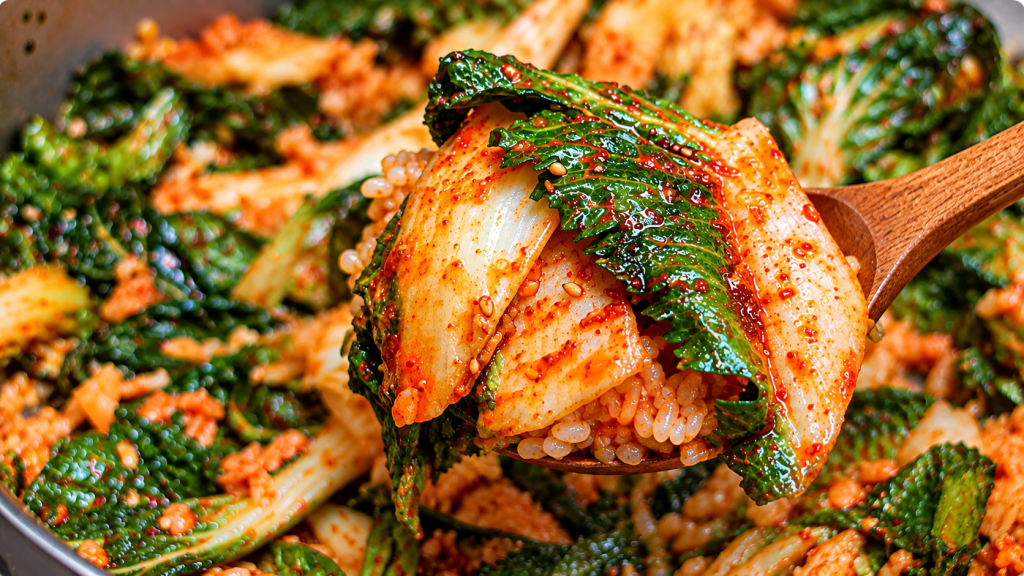
One of the foods that took off this spring was bomdong bibimbap. Bomdong is a crisp spring cabbage, and people in Korea have long eaten it this way.
Even an old TV segment of someone enjoying the dish was clipped and shared again.
For some people, it was a familiar dish they ate every spring. Others noticed how the dish looked before they even knew its name.
One person might ask, “Why is this suddenly trending?” while someone else might say, “But we’ve always eaten this.”
Chop, Add, Mix—and It All Fits in a Short Video
This kind of dish works well in short-form video.
Chop the vegetables. Add them to the rice. Mix in the sauce. Finish with a bite.
The process doesn’t take long.
One recipe video racked up millions of views, and similar recipe and mukbang videos followed.
A few shots are enough to show the dish from start to finish.
You don’t need a long explanation. Just watching it, you get the idea:
“Oh, that’s how you eat it.”
Once You See It, You Can Make It at Home
If it’s easy to watch, it’s just as easy to try.
People started posting things like “I kept seeing it, so I ended up making it myself,” along with photos and short clips of their own versions at home.
You don’t need to visit a famous restaurant or learn an unfamiliar recipe. You just need the ingredients, some rice, and the sauce.
Some people make it, eat it, and stop there. Others post a photo or short video. For someone else, that post can be the first time they see the dish.
Around the same time, searches for the dish increased, and sales of the ingredient also rose at a major supermarket.
That doesn’t mean short-form video was the only reason. Seasonal demand, prices, and supply also played a role.
But the trend wasn’t limited to what people saw on their screens.
People searched for it, bought the ingredient, and made it themselves.
Seasonal Foods Don’t Wait for You
A popular dessert can still be there next month.
A café menu item you saw online might still be around a few months later.
Seasonal ingredients are different.
A traveler who saw the dish trending on Reels later asked an online community if they could still try it when they visited Korea.
The problem was the timing.
That vegetable was easiest to find in spring. By the time they visited, it was likely already out of season.
Every seasonal ingredient has a time when it’s at its best and easiest to find. Interest can spread quickly online, but the season itself doesn’t last long.
If you keep thinking, “I’ll try it later,” the season may be over before you get around to it.
“If I’m going to try it, why not now?”
When the Season Changes, So Does Your Feed
Then the weather changes.
The dish you kept seeing all spring slowly fades from your feed. This fall, videos of people preparing live shrimp keep popping up.
There’s no set order. Several trends can overlap, and some dishes stick around longer.
Still, it’s no surprise when a dish that was once all over your feed gets harder to find.
As the season passes, people’s attention shifts to other seasonal foods.
Before long, you start seeing another dish over and over in Korean food videos.




Leave a comment